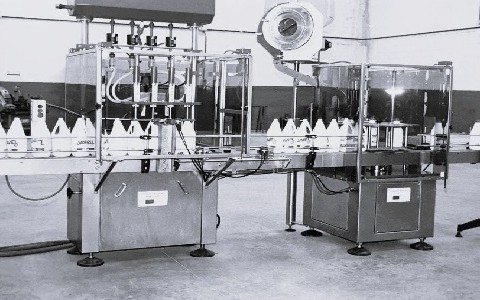
Filling machines are automated, high-precision industrial systems designed to package products into containers bottles, jars, pouches, or tubes?across food, pharmaceutical, and cosmetic industries. They improve production efficiency and accuracy, utilizing various technologies like piston fillers, gravity fillers, and vacuum systems to handle liquids, pastes, powders, and granules.
Key Components & Features
Filling Heads/Nozzles: Varies (2/4/6/8 heads) for different output capacities.
Control System: PLC (Programmable Logic Controller) with a graphical user interface for adjusting volume and speed.
Product Contact Parts: Generally made of SS316 stainless steel to ensure hygiene, especially in pharmaceutical applications.
Common Types and Applications
Piston Fillers: Ideal for thick pastes, creams, and sauces.
Volumetric Fillers: Accurate, filling based on set volumes.
Overflow Fillers: Keeps liquid at a consistent, even level in transparent bottles.
Gravity/Pressure Fillers: Used for free-flowing liquids or foaming products (isobaric).
Capsule/Powder Fillers: Specialized for dry pharmaceuticals or food powder.
Blow-Fill-Seal (BFS) Machines: Aseptic, all-in-one machines that create, fill, and seal containers in one step.
Operational Benefits
High Productivity: Automates filling to handle hundreds of containers per hour.
Precision: Reduces product waste through advanced sensors and volumetric control.
Versatility: Handles diverse viscosities, from water-like to viscous creams.
Hygiene: Meets CGMP compliance for sterile, clean, and safe packaging.